Overview
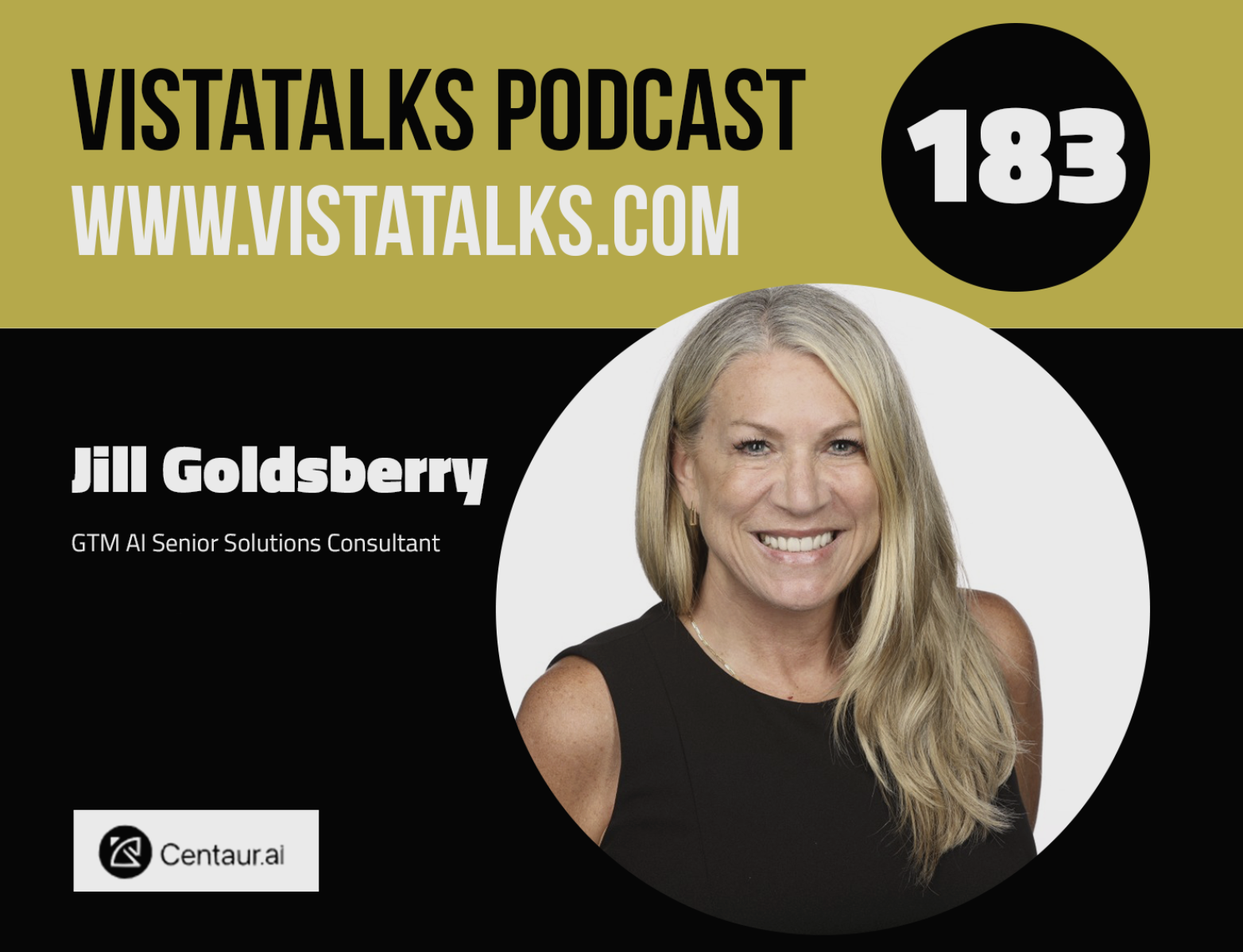
Insights from Jill Goldsberry on VistaTalks
In a world increasingly smitten with buzzwords like “AI” and “machine learning,” it’s all too easy to overlook the foundation: data.
A Senior Solutions Consultant's Perspective
In his recent VistaTalks conversation with Jill Goldsberry, host Simon Hodgkins peels back that hype, and what emerges is a clear, compelling case for what “ground truth” really means in healthcare AI.
AI isn’t magic; it’s craftsmanship
Goldsberry explains that building healthcare AI models isn’t just a matter of feeding algorithms reams of raw data. What matters is expert-annotated, regulatory-ready, high-fidelity data. Without that, even the most innovative model is built on sand.
Integration without disruption
Centaur doesn’t ask clinicians or organizations to rip up their workflows. Instead, its platform slips into existing processes, whether for training, validation, or post-market monitoring, making adoption smoother.
Scale + expertise + care
With a global network of over 40,000 contributors, many of whom are clinicians, researchers, or trainees, Centaur combines human expertise with scalable processes. Label-gaming, consensus algorithms, and layered review: this is how quality holds up even at volume.
From snoring to surgery, real use cases
They discuss applications from simple (sleep tracking and snore detection for wellness) to the profoundly serious (surgical video annotation, ECG and lung-sound labeling, and bilingual radiology datasets for diagnostic models). Goldsberry’s point is clear: if you want AI to help in real healthcare, not just apps, you need real data work.
Compliance, trust, and future vision
In the regulated world of healthcare, quality isn’t a bonus; it’s the baseline. Secure data handling, audit trails, contributor vetting, metadata, and regulatory readiness: all of it must be baked in from day one. And Goldsberry argues we are shifting from static datasets to dynamic, continuously evolving data pipelines, a world where human-AI collaboration refines edge cases and builds explainability.
Why this matters
Too many in tech treat AI like a silver bullet: throw in “lots of data,” and voilà. But the moment you point at people’s health, at diagnoses, at lives, you need precision, care, and expertise. What Jill Goldsberry describes isn’t glamorous. It’s painstaking, methodical, and deliberate. But it’s precisely what separates “cute demo” from “clinical-grade.”
If you care about the future of AI in healthcare, or even the integrity of data-driven tools more broadly, this VistaTalks episode is a master class in humility before complexity. It reminds us that behind every AI “breakthrough” there’s a lot of scrupulous, unglamorous human work.
Next Steps
Go to the VistaTalks landing page for Episode 183 (Jill Goldsberry)
Access the direct link to the audio/video for the episode
Schedule a demo with Centaur.ai